
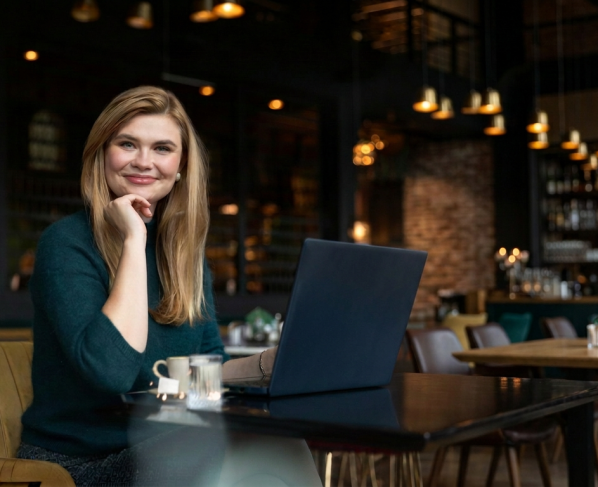
Nie swipowanie, a selekcja. Dlaczego wymagający single wracają do matchmakingu?
Aplikacje randkowe zmieniły sposób, w jaki poznajemy nowych ludzi. Dziś możemy nawiązywać kontakt z osobami spoza naszego codziennego środowiska łatwiej niż kiedykolwiek wcześniej. Nie oznacza to jednak, że łatwiej jest…
Read More
Polskie firmy mają problem, o którym nikt nie chce mówić. Kto przejmie biznesy założycieli z lat 90.?
Pierwsze pokolenie polskich przedsiębiorców budowało firmy w czasach, kiedy trzeba było umieć zrobić wszystko samemu. Dziś wielu z tych właścicieli stoi przed pytaniem, którego przez lata nie musieli sobie zadawać:…
Read More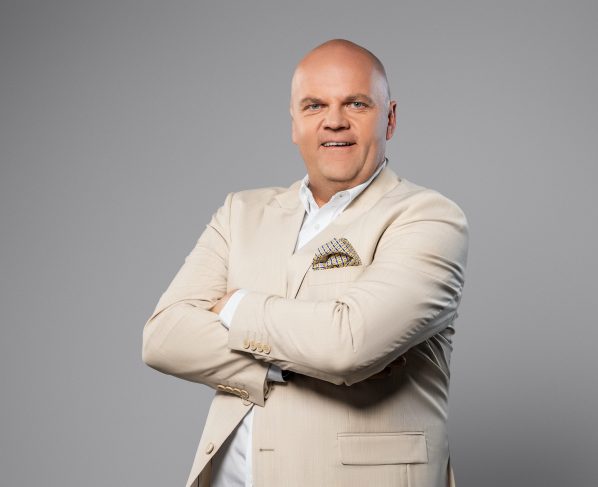
Pracownicy rezygnują przez brak relacji, nie brak benefitów. Jak zbudować silny zespół na lata?
Mimo zmieniającego się rynku pracy i kwestii związanych z rozwojem AI wielu przedsiębiorców wciąż zastanawia się, jak zatrzymać wartościowych pracowników, gdyż to właśnie oni będą kluczowi w zarządzaniu chociażby sztuczną…
Read More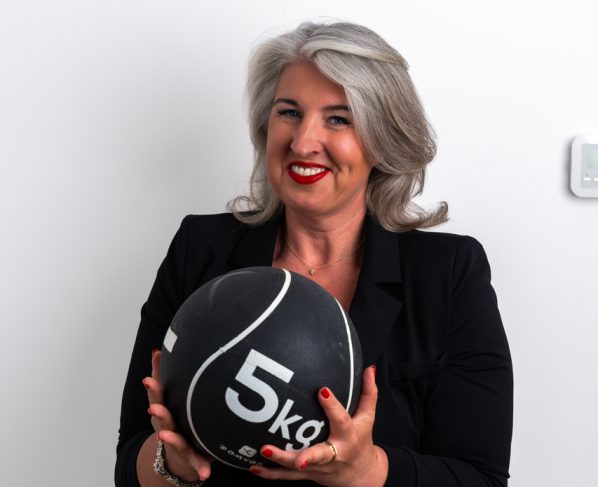
SUPEREFEKTYWNOŚĆ W WALCE Z WYPALENIEM ZAWODOWYM
Zamiast pracować dłużej – pracuj mądrzej. Profesor Małgorzata Dobrowolska przekonuje, że jednym z antidotów na zawodowe przeciążenie może być zmiana sposobu, w jaki wykorzystujemy własny mózg i wszystkie swoje osobiste…
Read More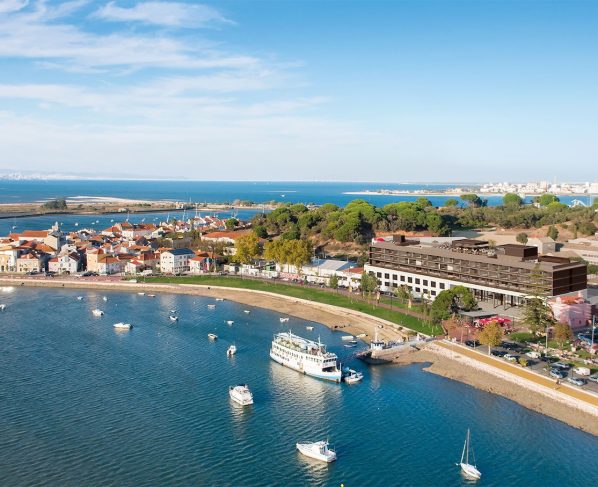
Airbnb pod coraz większą kontrolą. Czy zakup nieruchomości w Portugalii nadal ma sens?
Przez lata inwestowanie w nieruchomości na południu Europy opierało się na stosunkowo prostym założeniu: wybrać popularną turystycznie lokalizację, wynajmować nieruchomość krótkoterminowo i liczyć zarówno na przychody z najmu, jak i…
Read More
Prywatne akademiki podnoszą poprzeczkę. Student nie wybiera już tylko między pokojem a akademikiem uczelnianym
W Polsce studiuje ponad 1,32 mln osób, tymczasem publiczne akademiki oferują około 112 tys. miejsc. Jednocześnie coraz szybciej rozwija się trzeci segment rynku – prywatne akademiki, czyli PBSA. Obecnie oferują…
Read More
Szkoła bez smartfonów to… za mało. Jak naprawdę zadbać o relacje i dobrostan uczniów?
Aż 60% młodych ludzi żyje w chronicznym stresie, 40% wykazuje objawy depresyjne, a 71% deklaruje uzależnienie od telefonu – wynika z alarmujących danych raportu „Diagnoza Młodzieży 2026”, przygotowanego na zlecenie…
Read More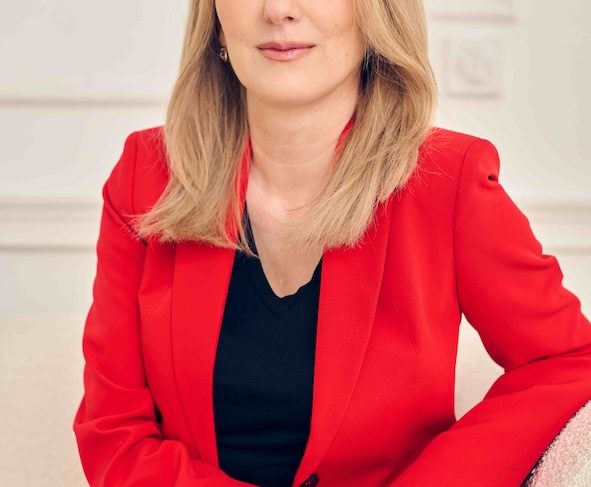
Silne kobiety nie muszą być idealne. Mogą po prostu iść po swoje
– Nie chcę być kobietą sukcesu. Chcę być kobietą, która wie, czego chce – mówi Iwona Borawska, która znalazła się w gronie 100 Wpływowych Kobiet 2026. Kapituła konkursu „Polski Metropolii…
Read More
Cyberbezpieczeństwo zaczyna się, zanim powstanie pierwsza linia kodu
W projektach IT bezpieczeństwo powinno być jednym z fundamentów – od pierwszych założeń architektonicznych, przez pisanie kodu i konfigurację chmury, aż po późniejsze aktualizacje. Jeden błąd popełniony na początku może…
Read More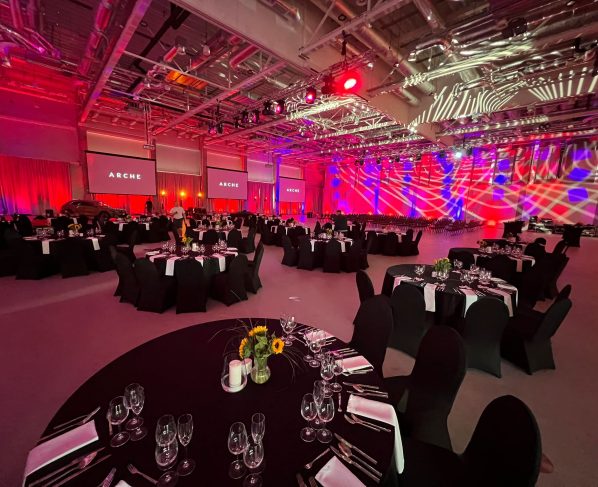
Arche Nałęczów w World Travel Awards – międzynarodowe wyróżnienie dla obiektu konferencyjnego z Lubelszczyzny
Arche Nałęczów drugi rok z rzędu został doceniony w jednym z najbardziej rozpoznawalnych międzynarodowych programów nagród branży turystycznej – World Travel Awards. W 2026 roku obiekt został nominowany w kategoriach…
Read More