

Pokolenie X przerywa milczenie – blisko 13 tysięcy głosów i jeden wniosek dla biznesu. Zapowiedź bezpłatnej konferencji naukowej GeeX w Warszawie
Czego dzisiaj potrzebują pracownicy w wieku 45–60 lat, by chcieć dalej rozwijać się w firmach? Odpowiedź poznamy już 28 września w Szkole Głównej Handlowej w Warszawie. Tego dnia, podczas hybrydowej…
Read More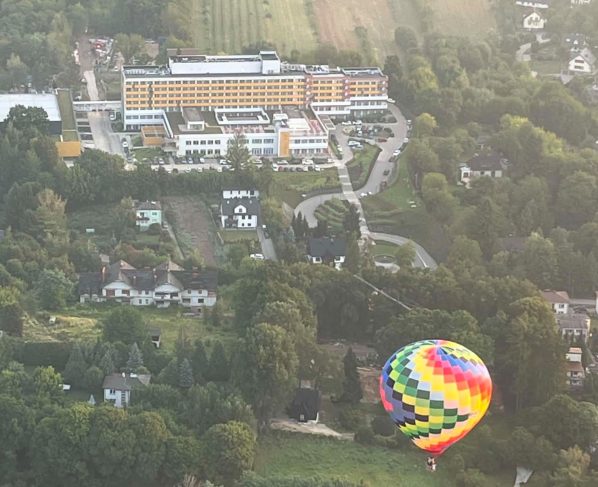
Podniebne widowisko nad Nałęczowem. Najlepsi piloci zmierzyli się o mistrzowskie tytuły
W dniach 05-08 sierpnia 2026 roku nałęczowskie niebo zmieniło się w feerię barw za sprawą 42. Balonowych Mistrzostw Polski oraz 21. Międzynarodowych Zawodów Balonowych stanowiących część Balonowego Pucharu Polski. Wyjątkowe…
Read More
Pracownicy rezygnują przez brak relacji, nie brak benefitów
Mimo zmieniającego się rynku pracy i kwestii związanych z rozwojem AI wielu przedsiębiorców wciąż zastanawia się, jak zatrzymać wartościowych pracowników, gdyż to właśnie oni będą kluczowi w zarządzaniu chociażby sztuczną…
Read More
Jak zregenerować skórę po wakacjach?
Po wakacjach bardzo często mówimy o konieczności „ratowania skóry”. Brzmi to dość restrykcyjnie. Tymczasem w większości przypadków potrzebujemy przede wszystkim właściwej diagnostyki, uważnej oceny aktualnego stanu i dobrze zaplanowanej regeneracji.…
Read More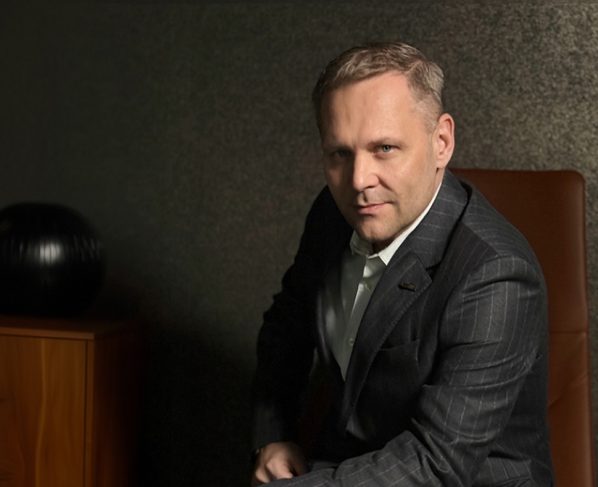
800+ odkładane przez lata? Wynik może zaskoczyć rodziców
Świadczenie „Rodzina 800 plus” w wielu domach pełni przede wszystkim funkcję bieżącego wsparcia. Środki te pomagają domykać codzienne wydatki związane z wychowaniem dziecka: jedzenie, ubrania, edukację, zajęcia dodatkowe czy leczenie.…
Read More
Koniec epoki pustego marketingu
Żyjemy dziś w świecie tak ogromnego przesytu i marketingowego szumu, że sam znany logotyp i dobry produkt już nie wystarczą. Z globalnego badania Havas Meaningful Brands 2026 płynie porażający wniosek:…
Read More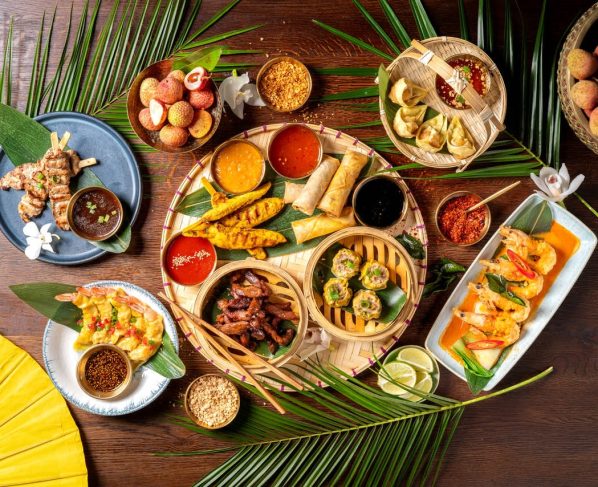
ZAMIAST CHŁODNIKA, WYBIERZ GORĄCE TOM YUM. DLACZEGO LATEM WARTO JEŚĆ PO TAJSKU?
Gdy z nieba leje się żar, a słońce niemiłosiernie pali, intuicyjnie sięgamy po zimne napoje, desery lodowe i chłodniki, szukając w nich szybkiego ratunku i orzeźwienia. Tymczasem mieszkańcy jednego z…
Read More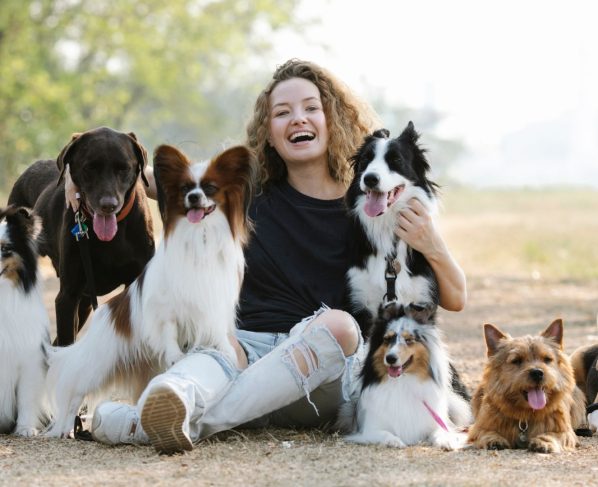
Wakacje na czterech łapach. Jak zmieniają się nawyki podróżujących Polaków?
Coraz więcej Polaków nie wyobraża sobie urlopu bez czworonożnego członka rodziny. Zmiana stylu życia oraz popularyzacja tzw. „pet parentingu” dynamicznie wpływają na polski rynek turystyczny. Jak wynika z obserwacji Sun&Snow,…
Read More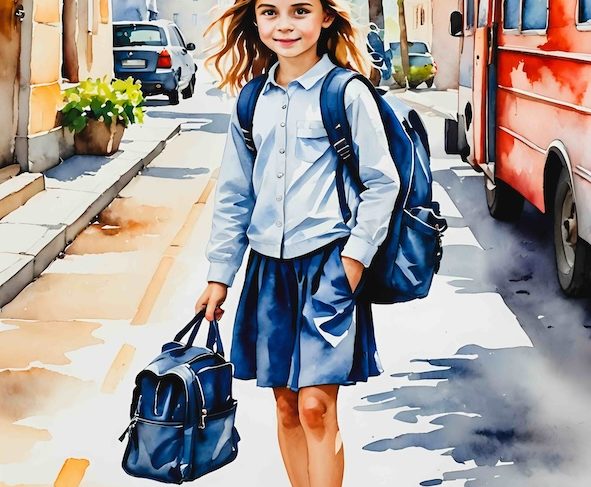
Wakacje się kończą, a napięcie rośnie. Dlaczego powrót do szkoły może być trudny także po odpoczynku?
Koniec wakacji dla wielu rodzin oznacza powrót do rutyny, ale także wzrost napięcia. Zmiana rytmu dnia, perspektywa szkoły, nowe obowiązki, a w przypadku maturzystów – oczekiwanie na sierpniową poprawkę mogą…
Read More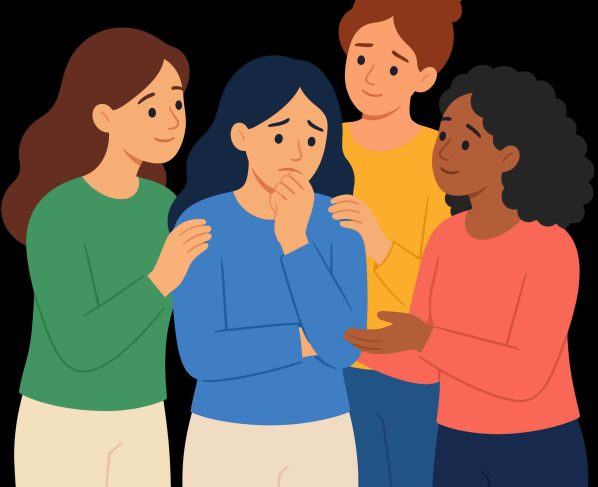
Kobieta w cieniu własnych ról. Kiedy ktoś pyta, kim jesteś, trudno odpowiedzieć
Mama, partnerka, pracowniczka, córka, opiekunka. Współczesne kobiety funkcjonują jednocześnie w wielu rolach, a ich własne potrzeby często trafiają na sam koniec listy. Problem nie polega już tylko na braku czasu.…
Read More